Published Jun 12, 2026
How to Build a No-Code AI-Powered Algorithmic Trading Bot: A Developer's Guide to Automated Trading Strategies
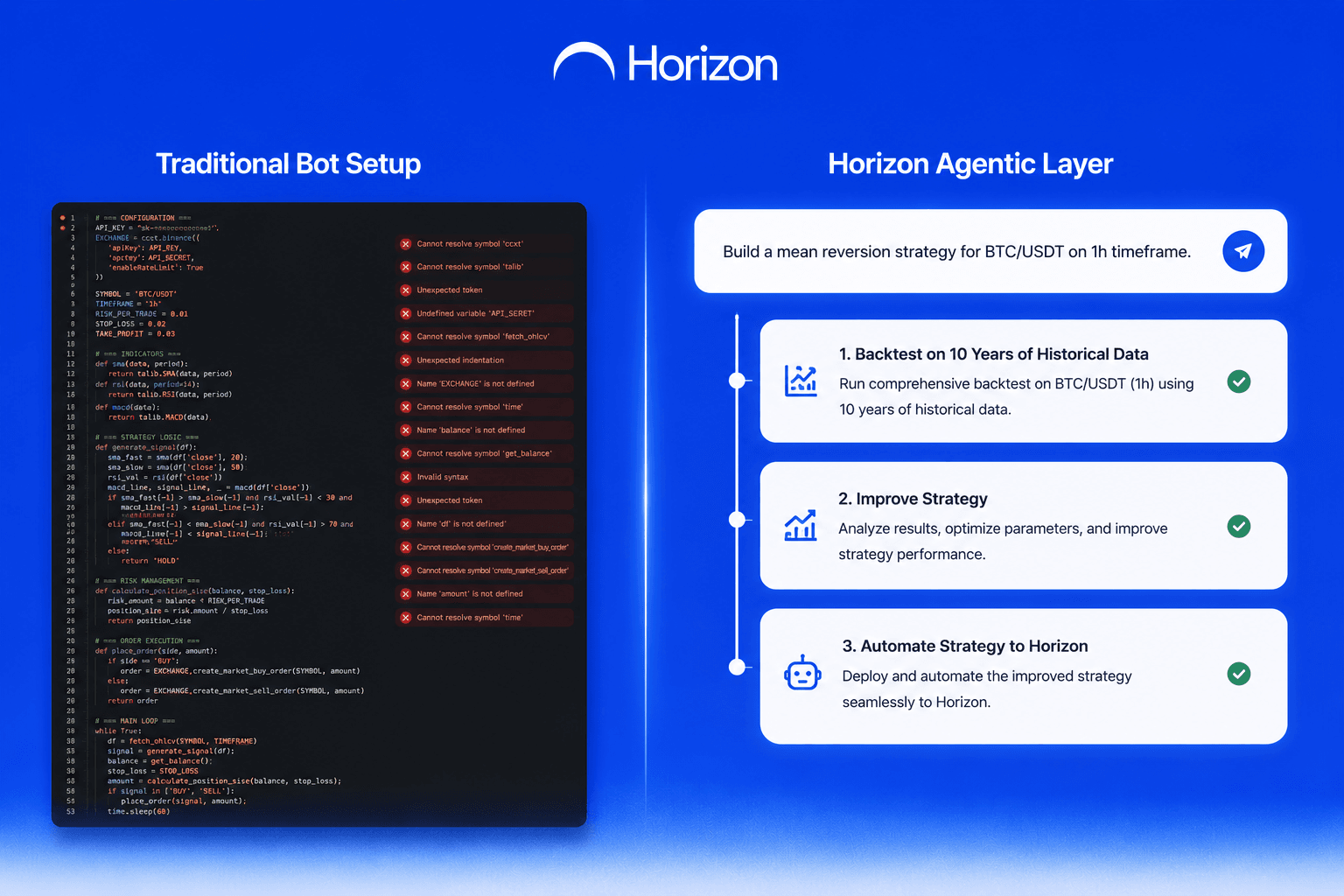
Creating an algorithmic trading bot may seem like a daunting task reserved for skilled programmers, but the emergence of no-code solutions has revolutionized this field. No-code platforms empower users without programming expertise to design, test, and deploy automated trading strategies with ease. This article aims to guide you through the intricate process of building a no-code AI-powered algorithmic trading bot. You will learn about the benefits of no-code platforms, the specific advantages of integrating AI, various strategies you can implement, and crucial steps to connect your bot with broker APIs. Additionally, you will explore practices for testing and optimizing your bot before going live.
What Are No-Code Algorithmic Trading Bots and Their Benefits?
No-code algorithmic trading bots are automated trading systems designed using graphical interfaces, allowing users to create complex algorithms without writing a single line of code. These tools enable traders of all skill levels to implement trading strategies quickly and efficiently. The advantages of utilizing no-code bots include:
Ease of Use: Without the need for programming skills, users can navigate intuitive interfaces to build and deploy strategies.
Faster Implementation: Traders can react to market changes swiftly by designing algorithms that can be tested and set live almost immediately.
Accessibility: No-code platforms democratize trading, allowing anyone, regardless of technical background, to participate in algorithmic trading.
As you delve deeper into this approach, understanding how AI enhances these systems will be crucial.
How Does AI Enhance No-Code Trading Automation?
AI significantly improves no-code trading automation by embedding intelligent systems that analyze vast amounts of data and identify patterns. Machine learning algorithms can process historical market data to enhance decision-making, allowing for real-time trades that adapt to market conditions. This capability leads to:
Improved Decision-Making: AI systems can provide data-driven insights, reducing emotional biases in trading decisions.
Increased Speed and Efficiency: Algorithms enabled with AI can analyze numerous datasets at lightning speed, executing trades faster than human traders could.
Pattern Recognition: AI can identify profitable trading signals and trends within large data sets that might be invisible to human analysts.
Integrating AI into no-code platforms enhances trading strategies further by offering advanced settings and optimizations.
Which Automated Trading Strategies Can Be Implemented Without Coding?
The realm of no-code trading is rich with viable automated strategies that do not require coding knowledge. Effective strategies include:
Breakout Strategies: These involve identifying key price levels where an asset's price is expected to break through resistance or support.
RSI Strategies: The Relative Strength Index (RSI) can be utilized to detect overbought or oversold conditions, suggesting potential entry and exit points.
Trend-Following Strategies: These strategies capitalize on the momentum of assets moving in a consistent direction, using various indicators to affirm the trend.
These implementation strategies showcase just how versatile no-code platforms can be, allowing traders to diversify their tactics effectively.
How to Build Your No-Code AI Trading Bot Step-by-Step?
Building a no-code AI trading bot involves several crucial steps. Here’s a simple path to follow:
Define Trading Ideas: Clearly outline what strategies or market conditions your bot will address.
Utilize the Platform Interface: Use tools provided by no-code solutions to input your trading ideas and develop your bot.
Backtest Strategies: Before deploying your bot, ensure to backtest it against historical data to gauge its potential effectiveness before going live.
This structured approach not only simplifies the development process but also ensures that implemented strategies are robust.
What No-Code Tools and Platforms Enable AI Bot Creation?
Several platforms facilitate the creation of no-code AI trading bots, offering a range of features. One such platform is Horizon, which includes:
AI-Powered Suggestions: Offers predictive analytics and recommendations based on historical trading patterns.
Strategy Marketplace: A community-driven space where traders can share and implement successful strategies.
Intuitive Interface: Streamlined design aids in the quick and easy building of trading bots without technical know-how.
Exploring these tools opens up tremendous opportunities for traders who may have previously felt alienated by technical barriers.
How to Design and Configure Trading Algorithms Without Programming?
Designing trading algorithms on no-code platforms requires users to specify critical parameters without needing to code. Consider the following guidelines:
Set Clear Entry and Exit Conditions: Define what market signals will trigger your trades.
Leverage Prebuilt Strategies: Many platforms include example strategies, enabling users to tweak existing ones rather than build from scratch.
Iterate Based on Performance Metrics: Continuously refine your algorithms by evaluating their performance against key metrics.
These practices help optimize your trading strategy over time while maintaining usability for those without coding backgrounds.
How Do You Connect Your Trading Bot to Broker APIs?
Connecting a trading bot to broker APIs is a pivotal step in automating your trading mechanisms. It typically involves:
Understanding Supported Brokers: Research which brokers your chosen no-code platform supports.
Following Connection Protocols: Each broker will have its API documentation detailing the steps necessary to link your bot.
Creating Brokerage Accounts: Ensure you have valid accounts with the brokers to facilitate trading operations via your bot.
This connection opens direct pathways for executing trades based on the algorithms you've developed.
Best Practices for Secure and Efficient Broker Integration?
When integrating your trading bot with brokers, consider the following best practices:
Utilize Secure Authentication Methods: Use token-based authentication for added security.
Regularly Update API Keys: Maintain security by ensuring your API keys are current and rotated regularly.
Monitor Account Activity: Implement alerts and logs to oversee all transactions and access to your trading accounts.
Implementing these practices enhances both security and efficiency in your trading activities.
How to Test, Optimize, and Deploy Your AI Trading Bot?
The process of testing, optimizing, and deploying your AI trading bot requires careful attention to detail:
Leverage Backtesting Methods: Use historical data to simulate how your bot would have performed.
Focus on Optimization Techniques: Analyze performance results and make necessary adjustments to improve the bot's efficacy.
Monitor Live Performance: Once the bot is live, keep a close watch on its performance metrics, making adjustments as necessary based on market conditions.
These steps enable you to ensure that your bot operates at its full potential, delivering optimal performance.
Which Metrics and Backtesting Methods Validate Bot Performance?
To evaluate the efficacy of your trading bot, understanding key metrics is essential. These include:
Win Rate: This metric indicates the percentage of trades that led to a profit.
Return on Investment (ROI): Measures the profitability of the bot, often expressed as a percentage.
Maximum Drawdown: This reflects the largest observed loss from a peak to a trough in the investment's value.
Backtesting methods allow you to analyze these metrics against historical data. Using techniques such as Walk-forward analysis helps validate your trading bot's effectiveness over time.
What Are Risk Management Techniques for Automated Trading?
Risk management is critical in trading to protect investments from significant losses. Techniques include:
Stop-Loss Strategies: Automatically close out positions at predetermined loss levels.
Diversify Strategies: Spread risk across various trading strategies to minimize exposure.
Continuous Market Analysis: Regularly assess market conditions to adapt strategies accordingly.
By incorporating these strategies, you can foster a proactive stance against potential trading risks while optimizing overall performance.