
Choosing an AI trading platform is not about finding a tool that promises the highest return. It is about finding a workflow you can understand, test, and control.
## Quick answer
Evaluate an AI trading platform by asking whether you can inspect the strategy rules, test them with realistic assumptions, review risk metrics, paper trade before going live, connect a supported broker, and set your own risk guardrails. Avoid treating a backtest, signal, or AI-generated idea as a guarantee.
## 1. Strategy control
A useful platform turns an idea into explicit, reviewable rules. You should be able to see what causes an entry and exit, understand the asset and timeframe, and change the logic without guessing what the AI did. For traders who think in strategies rather than code, plain-English strategy building can lower the barrier—but it should not remove review.
## 2. Testing quality
Compare platforms on the depth of their testing rather than a single headline metric. Look for historical data appropriate to the asset, trade history, equity curves, maximum drawdown, profit factor, Sharpe ratio, fees, slippage, and stress testing. Ask how the platform handles missing data, realistic execution, and changing market conditions.
## 3. Risk before automation
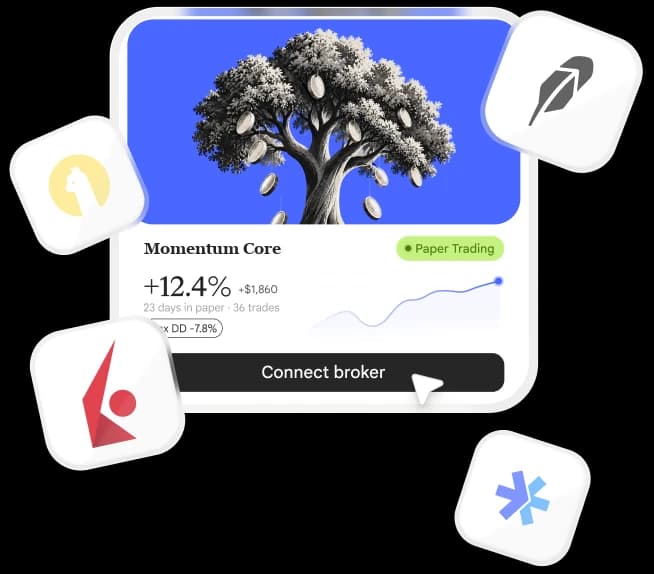
The safest workflow is research, build, backtest, refine, paper trade, then automate. Paper trading lets you verify that the signal and order logic work as intended. A platform should let the trader define risk limits, approved assets, position sizing, and a way to stop automation.
## 4. Broker and custody model
Check which brokers and asset classes are actually supported on your plan. Understand who holds the funds, which permissions are required, and whether the platform can withdraw money. Horizon is designed so the user's broker holds their funds and Horizon has no withdrawal access.
## 5. Transparent limitations
Credible providers explain what their tool cannot do. AI software can organize research and turn rules into testable systems, but it cannot predict markets or guarantee profits. Backtested and simulated performance do not guarantee future results.
## A comparison checklist
Before choosing a platform, confirm the workflow matches how you trade, the strategy logic is reviewable, testing includes realistic assumptions, risk is measurable, paper trading is available, broker support is confirmed, and the user retains control before execution.
Horizon provides software and data tools, not investment advice. Trading involves substantial risk.
Share this post: